Builder's risk insurance, sometimes called course-of-construction insurance, can protect a building while it is being built or renovated. It covers the structure and the materials on site against risks like fire, theft, weather, and vandalism, and can be extended to cover the extra costs a delay creates.
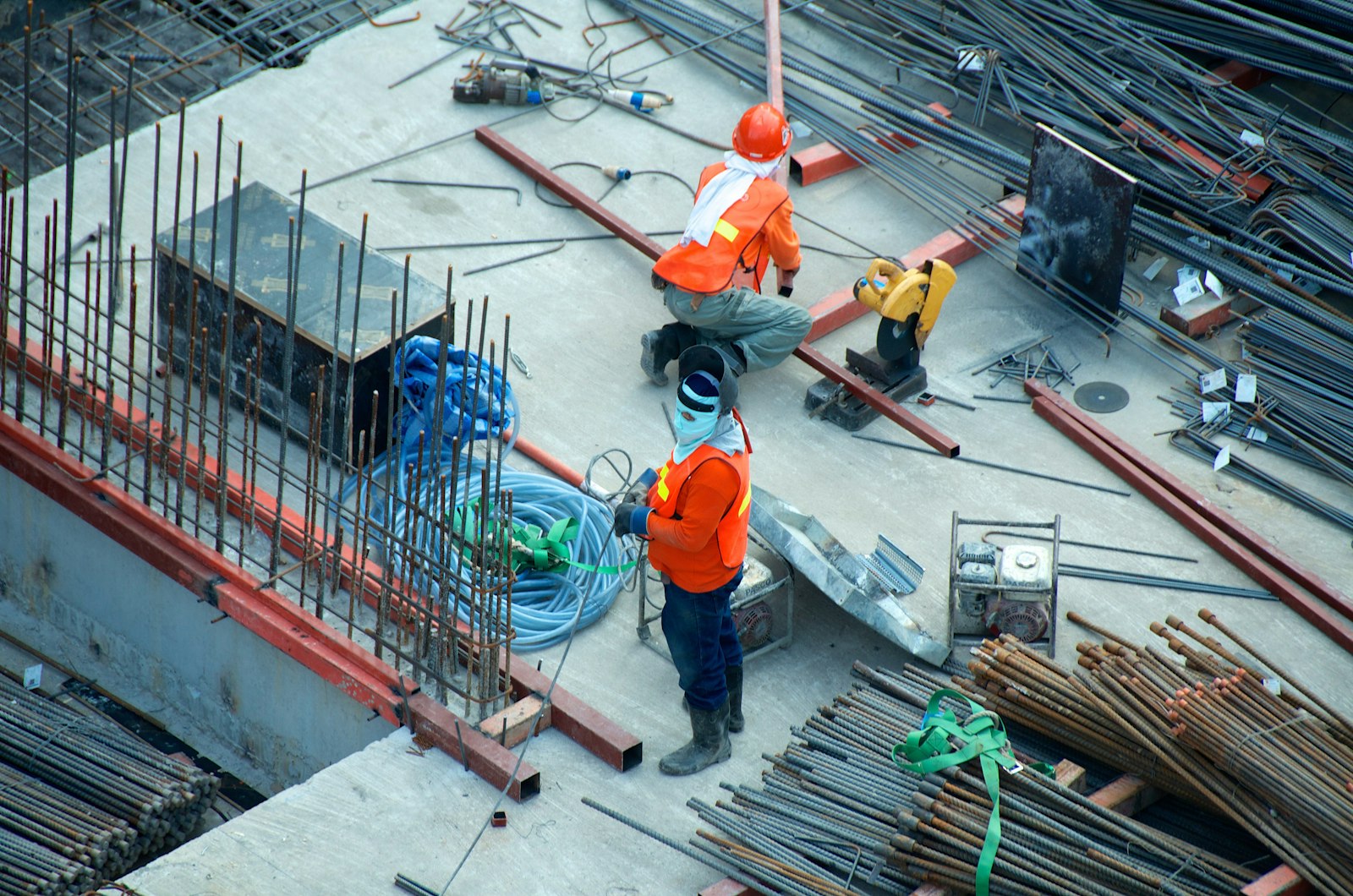
A regular commercial property policy is written for a finished, occupied building, not the changing risks of an active job site. Builder's risk fills that gap, protecting everyone with a stake in the project from the first shovel to the day it is finished, so a theft, a fire, or a storm does not blow up your schedule and budget.
Who Should Consider Builder's Risk Insurance?
Any building or renovation project, no matter the size, should carry builder's risk. It is usually bought by the project owner or the general contractor, but everyone with property at risk should be listed on it.
- Property owners doing new construction or major renovations
- General contractors managing home or commercial builds
- Developers with projects funded by a bank or lender
- Subcontractors with materials or equipment on a job site
- Architects and engineers with money invested in the project
What can be covered?
Project Structure
The building under construction, including the foundation, framing, and anything permanently installed.
Materials & Supplies
The construction materials and supplies waiting to be built in, plus temporary structures like scaffolding, stored on site.
Delay Costs (Add-On)
An add-on that covers extra costs a delay creates after a covered loss, like loan interest, permit fees, and design fees.
Theft & Vandalism
Theft of materials from the site, or deliberate damage to the project.
Weather & Natural Events
Damage from fire, wind, hail, and other natural events during construction.
Lost Income (Add-On)
An add-on that replaces income or profit you lose when a covered event delays finishing the project.
Coverages shown are general examples, not a description of any specific policy. Policy coverages widely vary and should be confirmed with your broker.
The Costs of a Delay Add Up Fast
When something goes wrong on a construction site, the cost is more than the physical damage. Plans may need redrawing, new permits may be required, financing costs climb with every week of delay, and buyers or tenants may walk away. Builder's risk is built to cover both the cost of rebuilding and the extra costs that pile up while the project is stalled.
How Pricing Works
What drives your premium
- The finished value of the projectThe premium starts from what the completed structure is worth, including materials and labour. For most builds it works out to a small percentage of the overall construction budget.
- What you are building it fromWood-frame construction is far more exposed to fire during the build than concrete or steel, and it prices accordingly. A renovation to an existing occupied building carries different risk again.
- How long construction will takeThe policy is priced for the construction period, commonly up to 12 months. A longer build means more months of exposure to fire, theft, and weather, and extending a policy that has run long costs more.
- The site and its securityWhere the project sits and what protects it: fencing, lighting, cameras, on-site storage, and how close it is to fire services. An unfenced site with materials sitting out is a theft claim waiting to happen.
- The work being done on siteHot work like welding, roofing, and torching, and any excavation, digging, or work near water, all raise the price because of what can go wrong while they are underway.
- The add-ons you needCoverage for the extra costs a delay creates, such as loan interest, permits, and design fees, plus lost income and optional flood or earthquake protection, each add to the premium.
- Your deductible and track recordA higher deductible lowers the premium but raises your share of a loss, and a builder with a clean record on past projects earns better terms.
Frequently asked questions.
What does builder's risk insurance cover?
It covers the project itself while it is under construction: the building, plus the materials and supplies on site waiting to be installed, against risks like fire, wind, hail, theft, and vandalism. Most policies can also be extended to cover the extra costs a delay creates, such as added financing, permits, and lost income when a covered loss pushes back the finish date.
Who pays for it, the owner or the contractor?
Either can buy the policy, and the contract usually decides. On owner-run builds the owner carries it; on many commercial projects the general contractor does. Whoever buys it, everyone with money on the line should be listed on the policy: the owner and the builder as the main insured parties, key subcontractors added on, and the bank or lender listed to be paid.
How much does builder's risk insurance cost in Alberta?
There is no flat rate. The price is based on the finished value of the project, what it is built from, how long construction will take, and the site's location and security. For most builds it is a small percentage of the overall budget. The most reliable answer is a quote, so tell us about the project and we will price it.
How long does the coverage last?
It runs for the construction period, commonly up to 12 months, and can be extended if the build runs long. It ends once the project is finished and handed over, occupied, or sold, at which point a regular commercial property policy should take over. The important thing is not to let the two lapse in between.
Does it cover theft of materials and tools from the job site?
Theft of materials and supplies meant to become part of the finished building is usually covered. Your own tools and mobile equipment usually are not; those need a separate policy that covers your equipment wherever it goes. If tool theft is a concern, we will make sure both policies are in place so there is no gap.
Is builder's risk insurance required in Alberta?
It is not required by law, but in practice it is rarely optional. Lenders almost always require it before releasing financing, and most construction contracts call for it. Even without those requirements, a single fire or storm mid-build can be devastating, so it is standard on nearly every commercial project.
What does builder's risk not cover?
It does not cover poor-quality work, design, or the faulty materials themselves, and it leaves out the contractor's own tools and mobile equipment, which need a separate equipment policy. Flood and earthquake are usually optional add-ons rather than automatic. We will confirm which add-ons your project and site actually need.
Protect Your Next Build
Our team is ready to find the right coverage at the right price. Get a tailored quote today.