Storefronts & Showrooms
Retail Insurance
Insurance for the businesses that open the doors, stock the shelves, and stand behind the counter.
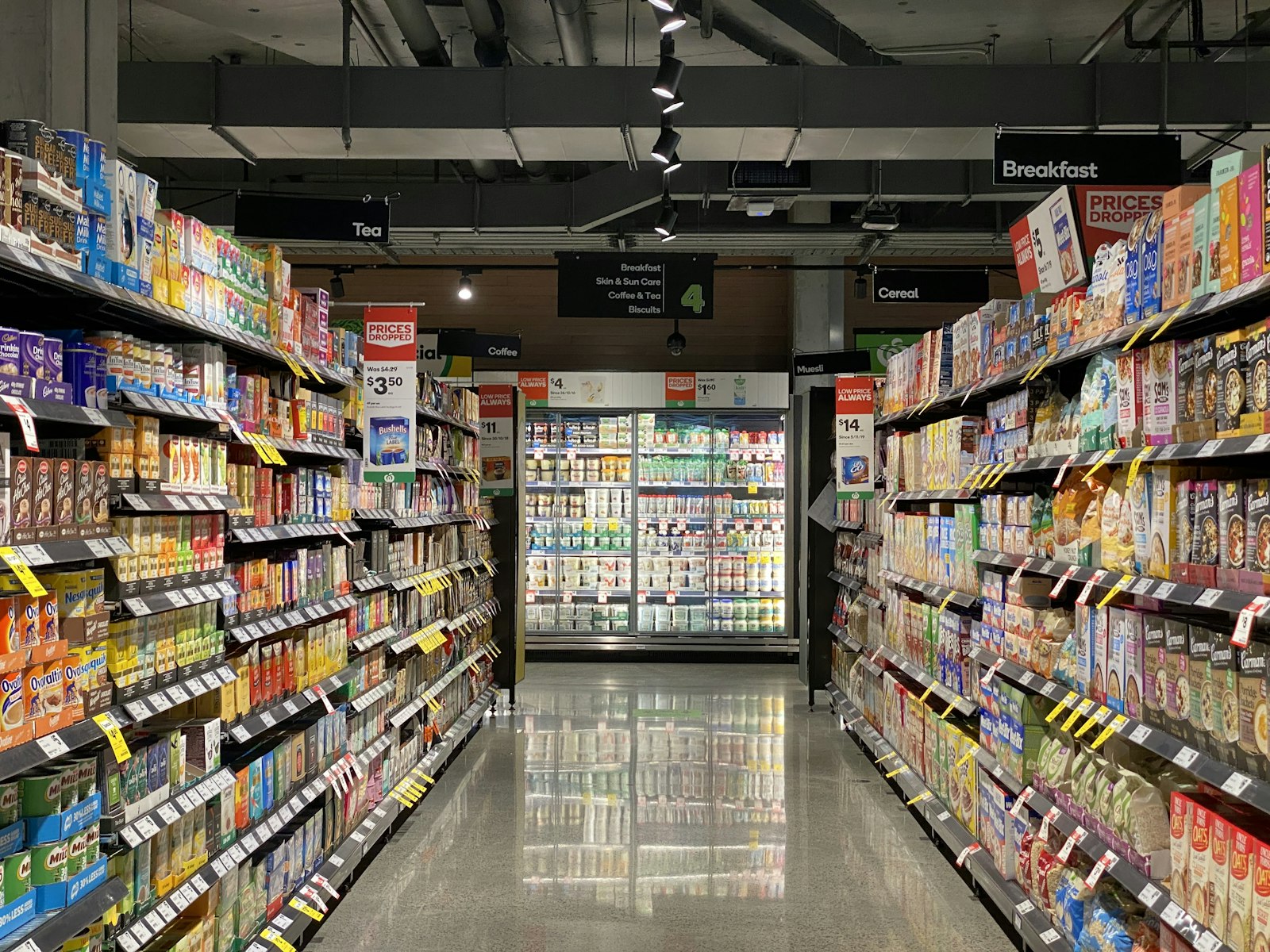
Retail insurance is a package built for stores that carry inventory, serve a stream of customers, and often sell online too: general liability that also covers a product you sold causing harm, property coverage for your build-out and stock, business interruption when the doors close, crime coverage for theft and fraud, and cyber protection for the payment and customer data you hold. Storefront, showroom, boutique, or specialty shop, the right program protects the floor and the website together. Velocity arranges retail programs across Alberta, with coverage sized to the season and the inventory that is actually on the shelves.
The Exposure
Risks you face.
Retail concentrates customer foot traffic, valuable inventory, and cash transactions in one space. Each one is a different kind of exposure.
Customer slips, trips, and falls
Wet floors, uneven thresholds, fitting-room hazards, and parking-lot ice are all common sources of liability claims. Even a minor injury can mean thousands in legal defence before any settlement.
Theft, break-ins, and employee dishonesty
Organised retail theft is rising, and so are the losses. Crime coverage responds to employee dishonesty, robbery, and after-hours break-ins, the losses a property policy alone leaves out, while everyday shoplifting is managed through loss prevention rather than insurance.
Damage to inventory and the storefront
Fire, water, and weather can wipe out a season of stock. For seasonal retailers, a loss in November can mean the year is gone before the holidays even start, which is why a peak-season endorsement, one that automatically raises your inventory limit during your busy months, is worth building into the policy.
Loss of business income
When a covered loss closes the doors, the rent, payroll, and supplier obligations keep coming. Business interruption coverage is what keeps the lights on while you reopen.
Online sales and cyber exposure
E-commerce platforms, point-of-sale systems, and customer email lists all hold payment and personal information. A breach triggers notification duties under Alberta’s PIPA, card-industry security requirements, and potential reputational damage.
Being liable for a product you sold
Even if you did not make the product, you can still be named in a claim when something you sold causes injury or damage. This product-liability exposure, generally covered within your general liability policy, protects the retailer in the chain.
The Protection
Coverages we recommend.
Commercial General Liability
Can cover injury or property damage to a third party, including the slip in the aisle, the fall in the parking lot, and a product you sold that causes harm. The non-negotiable foundation of every retail policy.
Commercial Property
Can protect the build-out, fixtures, displays, and inventory against fire, water, theft, and vandalism. You set the limit to your usual stock and add a peak-season endorsement that automatically raises it during your busy months. Because co-insurance usually applies to contents and stock, keeping that limit adequate is what keeps a claim from being reduced.
Business Interruption
Can replace lost sales income and cover rent, payroll, and ongoing expenses if a covered loss closes the store. Critical for any retailer with a single location.
Crime
Can cover cash, product, and equipment lost to employee theft, robbery, forgery, and fraud, the losses a standard property policy leaves out.
Cyber Insurance
Can cover the cost of a data breach involving customer payment or contact information, including the notification Alberta’s PIPA requires, as well as ransomware recovery and lost income from a point-of-sale or system outage.
Equipment Breakdown
Can cover refrigeration, HVAC, point-of-sale, and other systems whose failure can spoil inventory or close the store. Often overlooked until a freezer fails on a Friday night.
Coverages shown are general examples, not a description of any specific policy. Policy coverages widely vary and should be confirmed with your broker.
How your coverage fits Alberta’s rules
Running a store in Alberta starts with a municipal business licence, Edmonton and Calgary both require one, and Calgary also checks your location against its zoning rules before you open, though the details vary from city to city. If you sell cannabis or liquor, you also need a licence from Alberta Gaming, Liquor and Cannabis, with municipal approval first. Your customers’ personal and payment information is governed by Alberta’s Personal Information Protection Act, which requires you to notify the Privacy Commissioner when a breach could cause real harm, and if you accept card payments you are also held to PCI DSS, a card-industry security standard enforced through your payment processor rather than by government. We build your program, cyber included, to sit alongside all of it.
Why retailers choose Velocity
We work with single-store operators, multi-location retailers, and hybrid storefront-and-online businesses. We know how to size inventory limits for seasonal swings, how to coordinate cyber coverage with your privacy and card-payment obligations, and how to structure business interruption so that a covered loss does not turn into a closed business.
How Pricing Works
What drives your premium
- What you sellHigh-theft or high-liability goods like electronics, jewellery, cannabis, or liquor cost more to insure than low-risk everyday merchandise, so your product mix is the biggest driver of price.
- Annual revenue & salesHigher sales mean more customer transactions and more exposure, so your top line is a core input the insurer prices against.
- Inventory & stock valuesThe dollar value of the stock on your shelves, especially at peak season, sets how much property coverage you carry and moves the premium.
- Location & foot trafficA busy mall or high-street storefront sees more customer interactions and more slip-and-fall exposure than a quiet showroom, which affects the price.
- Security & loss preventionAlarm monitoring, cameras, sprinklers, and solid cash-handling procedures lower your risk and can bring the premium down.
- Claims historyA clean record lowers your price; past theft, injury, or property claims raise it.
- Coverage limits & deductiblesHigher limits cost more; a higher deductible lowers the premium but raises your share of a claim.
Common Questions
Questions ownersactually ask.
Do I need a business licence to open a store in Alberta?
In most cities, yes. Edmonton and Calgary both require a retail business licence, and Calgary also checks your location against its zoning rules before you can open. Requirements, categories, and fees are set locally, so confirm with the city or cities where you operate.
I only resell products I don’t make, can I still be liable if one hurts a customer?
Yes. A retailer sits in the chain that puts a product in a customer’s hands, so you can be named in a claim even for goods you did not manufacture. That product-liability protection is generally included in your general liability policy, which is one reason it is the foundation of every retail program.
Is PCI compliance the law?
No. PCI DSS is a security standard set by the card industry and enforced through the card brands and your payment processor, not a government law. Falling short risks fines and higher processing fees rather than prosecution, and it is separate from, and on top of, your legal duties under Alberta’s PIPA.
If customer data is breached, do I have to report it?
Under Alberta’s Personal Information Protection Act, you must notify the Privacy Commissioner when a breach could cause real harm to a customer, without unreasonable delay. Cyber insurance helps cover the cost of that notification, along with forensics, credit monitoring, and getting your systems back up.
Does my property policy cover employee theft?
Usually not. A standard property policy is built for fire, water, and outside theft, not for losses caused by your own staff. Crime coverage, sometimes called employee-dishonesty coverage, is a separate line that responds to theft, fraud, and forgery from the inside.
Is my seasonal peak inventory fully covered?
You do not insure at your highest level year-round. You set your inventory limit to your usual stock and add a peak-season endorsement that automatically increases it, often by around 25 percent, during your busy months. The exact uplift varies by policy, so we set it when we choose your overall limit. Keep in mind that co-insurance usually applies to contents and stock, so the limit still needs to reflect your values, or a claim can be reduced.
Built for the floor,and the customers who walk it.
Tell us what you sell, on the floor and online, and we’ll size coverage to your inventory, your season, and the data you hold. Most retailers are bound within a few business days.
Not ready to switch? Book a 15-minute coverage review instead