Course of Construction
Builders Insurance
Insurance for the build itself, from groundbreaking to handover.
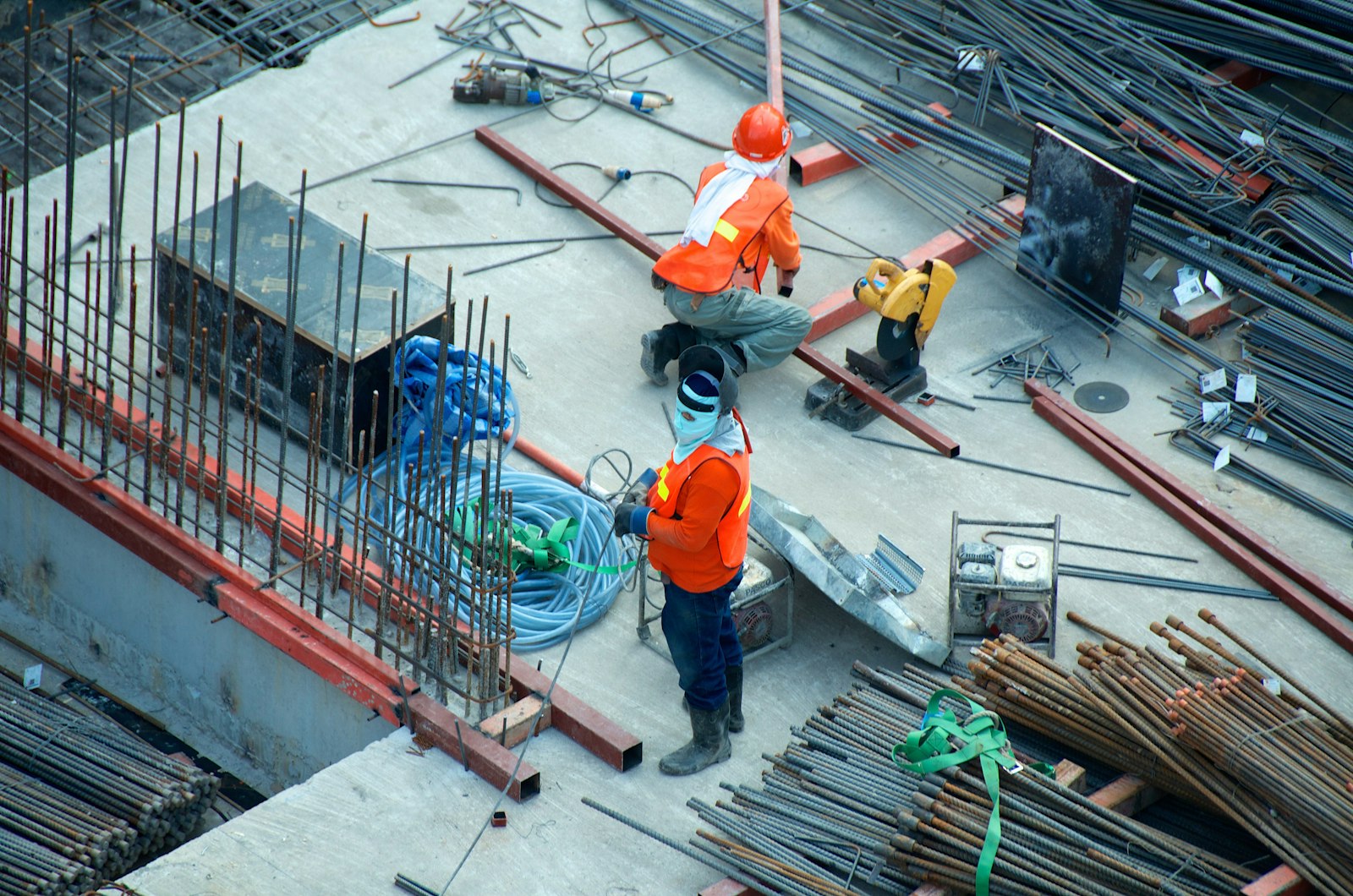
Course-of-construction insurance, also called builder's risk, is the policy that protects a construction project while it is being built: the structure going up, the materials on site and on the way to it, and the temporary works, against fire, water, theft, vandalism, and weather. In Alberta it usually sits alongside project (wrap-up) liability, soft-costs coverage, and equipment coverage. Whether you are the general contractor running the job or the owner financing the build, the project itself needs its own policy, from the day the first load of fill arrives until the keys are handed over. Velocity arranges these programs on residential infill, multi-unit, and commercial builds across Alberta, structured to satisfy your lender and the contract you have signed.
The Exposure
Risks you face.
A half-finished building has all the value of a finished one and almost none of the protection. Your exposures change week by week as the project takes shape.
Fire and water damage to the structure
Hot work, temporary heating, exposed framing, and unfinished roofs make construction sites uniquely vulnerable to fire and water loss. A single incident can wipe out months of progress and trigger schedule penalties.
Theft of materials and fixtures
Lumber, copper, appliances, HVAC units, and millwork are all targets. Material delivered just before it is installed is often stolen the night it arrives, and course-of-construction coverage follows it on site and on the way there.
Vandalism and trespassing
Open sites attract more than thieves. Graffiti, broken windows, and intentional damage from unauthorised entry can mean costly repairs and delays.
Severe weather and natural events
Wind, hail, flooding, and freeze damage hit unfinished structures harder than completed ones, and Alberta sees all four. Without course-of-construction coverage, the project absorbs the loss.
Soft costs and delay-related losses
A covered loss does more than damage the building. It pushes back occupancy, extends financing interest, racks up additional permit and design fees, and can push a project past its delivery date.
Gaps between the trades on site
Every sub on site brings their own coverage, their own exclusions, and their own limits. A single uninsured sub can leave the owner or general contractor holding a claim that should never have been theirs.
The Protection
Coverages we recommend.
Course of Construction (Builder’s Risk)
Can cover the project itself while it goes up: the structure under construction, materials on site, materials on the way to it, and temporary works, against fire, water, theft, and weather. The single most important policy for any active build.
Wrap-Up (Project) Liability
A single liability policy that covers the project owner, the general contractor, and all the sub-trades together for one defined project. It closes the gaps between everyone’s individual policies and simplifies who responds when a third party is injured or their property is damaged on site.
Soft Costs Coverage
Can pick up the indirect costs a covered loss creates: extra loan interest, additional design and permit fees, lost rent, marketing, and higher insurance costs that follow a major delay.
Contractors Equipment
Can protect the cranes, lifts, generators, scaffolding, and tools the build depends on, against theft, damage, and breakdown, on site and in transit.
Commercial General Liability
Can protect the general contractor and the project entity against injury or property-damage claims from a third party arising from the work and the site itself, with coverage that survives handover.
Coverages shown are general examples, not a description of any specific policy. Policy coverages widely vary and should be confirmed with your broker.
How your coverage fits Alberta’s building rules
Insurance is only part of what a build in Alberta has to satisfy. If you build new homes, the New Home Buyer Protection Act requires new home warranty coverage on any home whose building permit was applied for on or after February 1, 2014, and it is the builder’s job to enrol the home and hold a valid residential builder licence through the province’s Residential Protection Program. A warranty protects the future buyer; course-of-construction protects the build while it goes up, so a project needs both. And when you hire sub-trades, a quick check that each one carries their own coverage keeps an uninsured sub from turning into your claim. We structure your program to sit alongside all of it.
Why builders and owners choose Velocity
We have placed course-of-construction programs on residential infill, multi-unit, and commercial projects. We understand how lender and contract requirements drive coverage decisions, how to size soft-cost limits that actually match a project budget, how to keep a wrap-up policy responsive when sub-trades change mid-build, and how to issue certificates the day a lender or partner asks for one.
How Pricing Works
What drives your premium
- Total project valueCourse-of-construction limits are set to the completed value of the build, so a larger hard-cost budget means more value at risk and a higher premium.
- Construction type & materialsA wood-frame build carries more fire and water exposure than a non-combustible steel or concrete structure, so how the project is built moves the price.
- Project durationA longer build spends more time exposed to fire, theft, and Alberta weather, so a schedule measured in years costs more to cover than a short one.
- Site security & risk controlsFencing, hoarding, lighting, alarms, and after-hours monitoring reduce theft and vandalism losses, and a well-secured site earns a better rate.
- Location & local hazardsExposure to hail, wildfire, flooding, and site theft varies across Alberta, and a project in a higher-hazard area is priced accordingly.
- Soft costs & delay coverageAdding coverage for extra loan interest, design and permit fees, and lost rent after a delay broadens the policy and raises the premium.
- Coverage limits & deductiblesHigher limits cost more; a higher deductible lowers the premium but raises your share of a claim.
Common Questions
Questions ownersactually ask.
If my sub-trades all carry their own insurance, do I still need builder’s risk?
Yes. A sub-trade’s liability policy covers claims arising from their work, not physical damage to the building under construction. Course-of-construction (builder’s risk) is the only policy that pays to repair or rebuild the project itself if fire, water, theft, or weather damages it before handover. The two do different jobs, and a project needs both.
Does a new build in Alberta need a home warranty?
For new homes, yes. Under Alberta’s New Home Buyer Protection Act, new home warranty coverage is required on any home whose building permit was applied for on or after February 1, 2014, and the builder must enrol the home and hold a valid residential builder licence. A warranty is not insurance on the build: it protects the future buyer, while course-of-construction insurance protects the structure and materials during construction.
What’s the difference between course-of-construction and wrap-up liability?
Course-of-construction is property coverage: it pays for physical damage to the project. Wrap-up liability is liability coverage: it responds when someone is injured or a third party’s property is damaged because of the project, under a single policy that covers the owner, the general contractor, and the sub-trades together. Most active builds carry both.
Should the owner or the general contractor buy the course-of-construction policy?
Either can, and the contract or lender usually decides. What matters is that the policy names the right parties, the owner, the general contractor, and often the lender, so everyone with a financial stake in the build is protected and no one is left arguing over who should have insured it.
What are soft costs, and are they covered?
Soft costs are the indirect losses a delay creates after a covered event: extra loan interest, additional design and permit fees, lost rent, and marketing. They are not covered by the base builder’s risk policy but can be added through a soft-costs extension, sized to your project budget and schedule.
Should I check my subcontractors’ insurance before I hire them?
Yes. Before you sign and before you release payment, get proof that each sub-trade carries their own coverage. An uninsured sub can leave you holding a claim that should have been theirs, so a quick paperwork check up front protects the whole project.
How long does course-of-construction coverage last?
It runs from the start of construction until the project reaches substantial completion, occupancy, or handover, whichever your policy specifies. Because the value at risk grows every week as the build takes shape, the limit needs to reflect the completed value, not the value on day one.
Built for the project,from groundbreaking to handover.
Tell us about the build, the budget, and the parties involved, and we’ll structure course-of-construction and liability coverage that satisfies your lender and your contract. Certificates issued fast.
Not ready to switch? Book a 15-minute coverage review instead