Residential & Office Cleaning
Cleaning Insurance
Insurance for residential cleaners, and the offices they clean, working inside other people’s spaces with their keys and their trust.
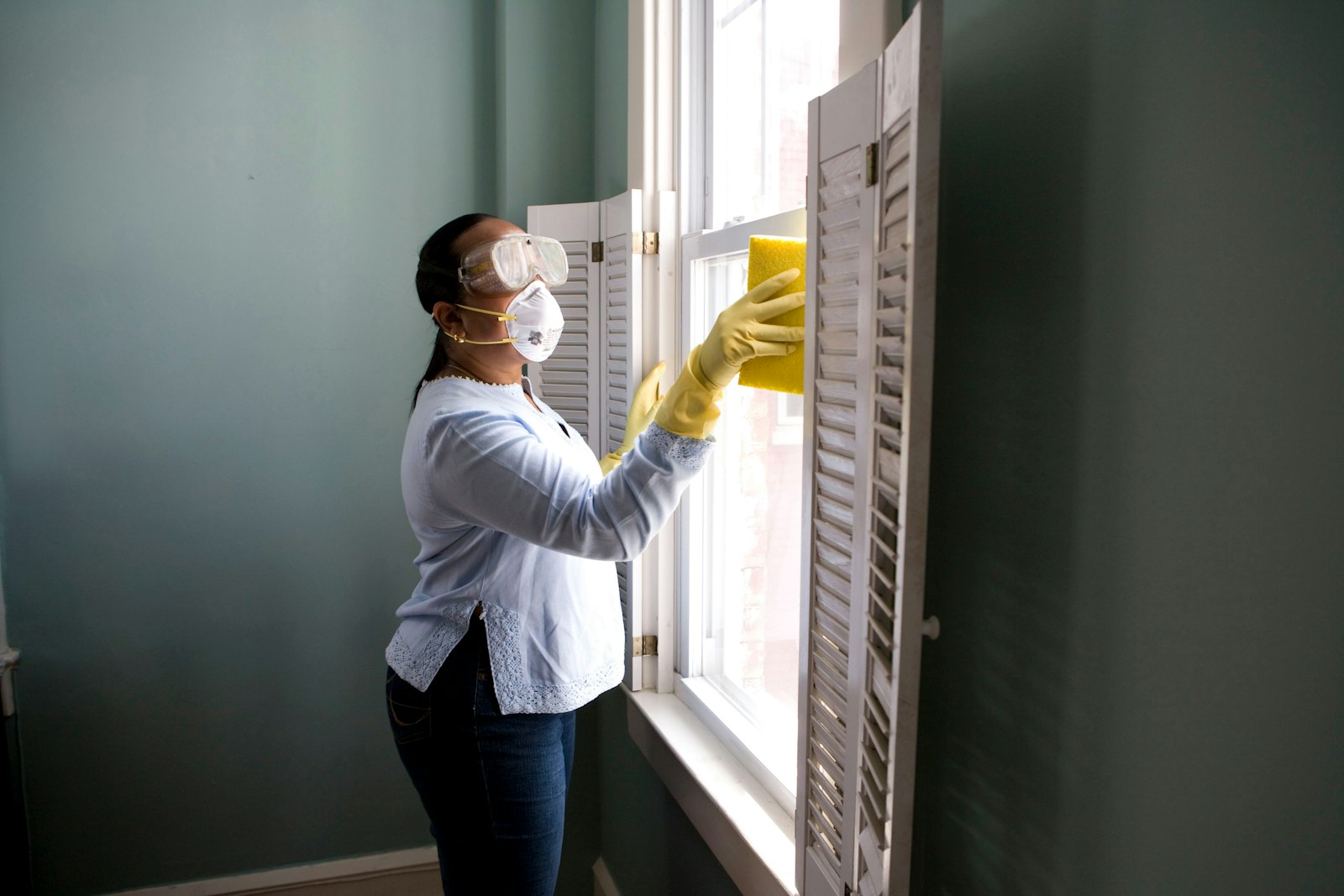
Cleaning insurance is a package built for residential house cleaners and the office cleaning many of them also take on: general liability for the slip-and-fall that is the trade’s most common claim, coverage for the client property and finishes you damage while cleaning them, crime coverage for theft committed by an employee inside a client’s home or office, and coverage for your supplies, equipment, and vehicles. Cleaning happens inside other people’s homes and offices, often while no one is there, with your team holding keys and alarm codes and handling chemicals around expensive floors, furniture, and electronics. Velocity builds these programs for cleaning businesses across Alberta, with coverage for the things that actually go wrong and the paperwork an office client may ask to see.
The Exposure
Risks you face.
Cleaners work inside other people’s homes and offices, with access to their property. The exposures are specific to the trade.
Slip and fall claims from wet floors
Mopping a kitchen or an office corridor, a freshly washed tile floor, a missed wet-floor sign. Slip-and-fall liability is the single most common claim against cleaners, and an office client will expect to see proof of coverage before you start.
Damage to client property and finishes
The wrong product on a stone countertop, a vacuum that scratches a hardwood floor, a cleaner that strips finish off a custom desk. The item you were hired to clean is exactly the kind of property a standard liability policy leaves out, so it needs specific coverage.
Theft by an employee in a client’s home or office
Your team has access to jewellery, cash, electronics, and personal records. Even with careful hiring, employee theft happens, and the client expects to be made whole when it does.
Chemical spills and stored cleaning products
The cleaning chemicals you store and carry are pollutants, and a spill, a mixed cleaner that releases a harmful gas, or a residue left behind can mean a cleanup bill and a claim. Both the storage of these products and the cost to clean up a spill are real exposures that your program should address, so it is worth reviewing where your coverage sits.
Lost keys, codes, and security exposures
A misplaced house key or a shared alarm code can leave a client paying to rekey their home or building, and you on the hook for the bill.
Damage or theft on the way to and from jobs
The vehicles, vacuums, and supplies that move between homes and offices are exposed to accidents, break-ins, and weather, and replacing them mid-schedule comes straight off your margin.
The Protection
Coverages we recommend.
Commercial General Liability
Can cover injury or property damage you or your team cause in a client’s home or office, the slip-and-fall being the classic example. Office cleaning contracts often ask for a minimum liability limit, with the client added to your policy, before you start.
Care, Custody & Control
Standard liability leaves out property in your care. This coverage fills that gap, protecting you when the damaged item is the very thing you were hired to clean.
Crime & Employee Theft
Can respond to theft committed by your own employees, including money and property taken while your team is working inside a client’s home or office. It is basic employee crime coverage, which is different from being bonded, and it answers the exposure clients worry about most.
Commercial Property
Can cover your supplies, vacuums and floor equipment, and any storage or office space, including your stored cleaning products, against fire, theft, and water damage.
Commercial Auto
Can cover the vehicles that move your team and equipment between jobs, plus the tools and supplies inside them. Contracts sometimes ask for non-owned auto coverage too, which extends to vehicles your business uses but does not own.
Coverages shown are general examples, not a description of any specific policy. Policy coverages widely vary and should be confirmed with your broker.
How your coverage fits Alberta’s rules
Most cities require a business licence, in Edmonton, for example, cleaning is licensed under the Construction, Contracting, and Labour Service category, and requirements vary by municipality. The chemicals your team uses fall under WHMIS in Alberta’s Occupational Health and Safety Code, which means you must keep safety data sheets and train your workers to handle and store them safely, and it is why the storage of those products and the cost to clean up a spill are worth addressing in your coverage. And when you clean offices, the contract often sets the bar, asking your liability policy to add the client as an insured before you are allowed on site. We build your program to satisfy all of it.
Why cleaning businesses choose Velocity
We understand how a cleaning business actually runs, from solo house cleaners to teams that also take on office work, and we know the coverage that matters: the property in your care, the theft exposure your clients worry about, and the chemicals you store and carry. When an office client asks for proof of insurance, we issue certificates without delay so you do not lose the work over paperwork.
How Pricing Works
What drives your premium
- Homes, offices, or bothRoutine house cleaning and light office cleaning price lower than higher-risk work like post-construction cleanup or anything involving harsh chemicals, so the mix of work you take on is the biggest driver of price.
- Revenue & payrollHigher annual revenue and a larger payroll mean more jobs, more hours, and more chances for something to go wrong, which raises the premium.
- Staff & subcontractorsMore team members and any subcontractors you use add exposure, and subcontractors should carry their own coverage or they get counted under yours.
- Client access & keysHolding keys and alarm codes and cleaning empty homes and offices raises the theft, care-of-property, and security exposure a policy has to account for.
- Equipment & chemicalsVacuums, floor machines, vehicles, and stored cleaning chemicals add value to insure and hazards to manage, both of which factor into the premium.
- Claims historyA clean record lowers your price; past slip-and-fall, property-damage, or theft claims raise it.
- Coverage limits & deductiblesThe limits your contracts require and the deductibles you choose move the price: higher limits cost more, and a higher deductible lowers the premium but raises your share of a claim.
Common Questions
Questions ownersactually ask.
Do I need a business licence to run a cleaning company in Alberta?
In most Alberta cities, yes. Edmonton, for example, requires a municipal business licence and licenses cleaning under its Construction, Contracting, and Labour Service category. The exact category and rules vary by municipality, so check with the city or cities where you work.
What happens if one of my employees steals from a client?
That is what crime coverage is for. It responds to theft committed by your own employees, including money and property taken from a client’s home or office while your team is working there. This is basic employee crime coverage, which is not the same as being bonded, and we make sure it is in place before you take on work that puts your team inside a client’s space.
Aren’t cleaners supposed to be “bonded”? Do you offer that?
You will often hear “bonded and insured,” but a bond is a specific surety product that Velocity is not licensed to provide. What most cleaning clients are really worried about is theft by staff, and that is covered by employee crime coverage, which we do arrange. We will explain the difference so you can answer a client’s question honestly.
If my cleaner damages something they were cleaning, is that covered?
Only with care, custody, and control coverage. A standard liability policy leaves out damage to property in your care, and the item you were hired to clean is by definition in your care. This coverage fills that gap, and for cleaners working around stone, hardwood, and electronics it is essential.
I store and carry cleaning chemicals. Is a spill or the storage covered?
Chemical spill cleanup and the storage of pollutants are real exposures for a cleaning business, and they are not automatically part of a basic policy. WHMIS also requires you to store and handle these products safely. We review where your coverage sits and address the spill and storage exposure so a chemical incident does not become an uninsured cleanup bill.
My office client’s contract lists insurance requirements I don’t recognise, additional insured, non-owned auto. What are these?
These are standard in office cleaning contracts. Adding the client as an "additional insured" extends your liability policy to protect them for claims arising from your work, and "non-owned auto" covers vehicles your business uses but does not own. We read the contract and issue coverage that matches it, so you are not guessing.
How much does cleaning insurance cost and how fast can I get covered?
It depends on your revenue, whether you clean homes, offices, or both, and any limits your office contracts require. We tailor the program to how your business runs, and most cleaning businesses go from first conversation to bound coverage within a few business days, with certificates issued as soon as a client asks.
Built for the crew,the client, and their trust.
Tell us whether you clean homes, offices, or both, and we’ll build coverage around your team, the client property in your care, and the chemicals you carry. Certificates issued fast.
Not ready to switch? Book a 15-minute coverage review instead